What is Postpartum Depression?
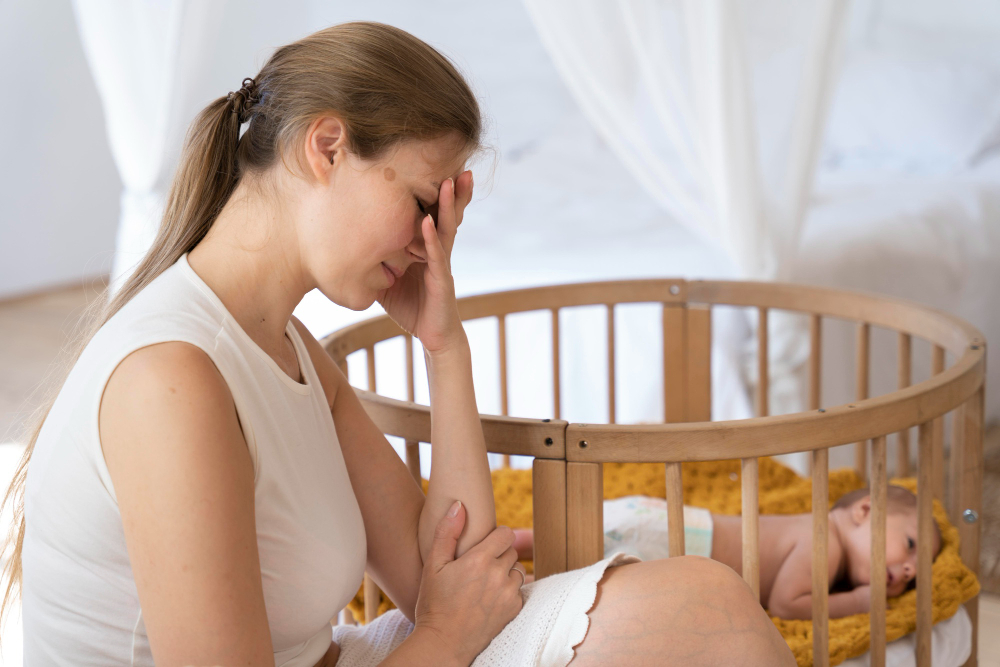
Postpartum depression is a type of mood disorder that can affect women after childbirth. It is more than just feeling sad or tired. Many new mothers experience mood swings, but postpartum depression is stronger and lasts longer. According to the CDC, about 1 in 8 women in the United States experience symptoms of postpartum depression. Early recognition is important because it can impact both the mother and her baby. If you notice signs of postpartum depression, seeking help is important for recovery.
Common Symptoms
Recognizing postpartum depression symptoms can help you get support sooner. Symptoms may start soon after birth or even weeks later. Not every woman will have the same signs. However, some common symptoms include:
Sometimes, these symptoms may be mistaken for normal stress. But if they last more than two weeks or get worse, it is time to seek help.
Causes and Risk Factors
Postpartum depression does not have a single cause. Instead, it often results from a mix of physical, emotional, and lifestyle factors. For example, hormone changes after childbirth can affect mood. In addition, lack of sleep and stress can make things harder. Some risk factors include:
Even so, postpartum depression can happen to anyone, even without these risk factors.
Diagnosis and When to Seek Help
Doctors diagnose postpartum depression by asking about your feelings, thoughts, and daily life. They may use simple questionnaires to help spot symptoms. If you have signs of postpartum depression, it is important to talk to a healthcare provider. Early diagnosis can lead to better outcomes. You should seek help if:
Remember, asking for help is a sign of strength, not weakness.
Treatment Options
Treatment for postpartum depression can help you feel better and care for your baby. There are several options, and your doctor will help you choose what is best for you. Common treatments include:
Sometimes, a mix of treatments works best. For example, therapy and medication together can be very effective. Always talk to your doctor before starting or stopping any treatment.
Lifestyle Tips and Support
Along with medical treatment, some lifestyle changes can help manage postpartum depression. For instance, you can:
Above all, remember that you are not alone. Many women go through this, and support is available.
Prevention Strategies
While it is not always possible to prevent postpartum depression, some steps may lower your risk. For example, you can:
Even with these steps, postpartum depression can still happen. However, early action can make a big difference.
If you or someone you know may be experiencing postpartum depression, consult a healthcare professional for personalized support.