
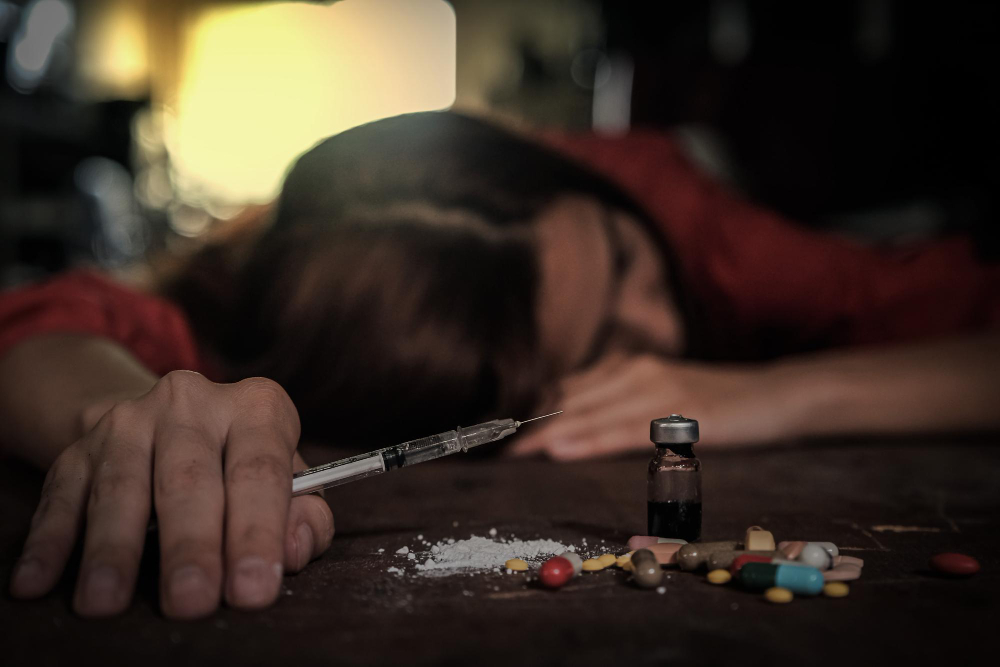
What Is Opioid Deaddiction?
Opioid deaddiction is the process of stopping opioid use and overcoming addiction. Many people struggle with opioid addiction, but recovery is possible. Opioids are strong pain medicines. Sometimes, people become dependent on them. Opioid deaddiction helps people break free from this cycle. It is important because opioid misuse can harm health and relationships. If you or someone you know needs opioid addiction recovery, support is available. You can also find opioid withdrawal help and learn how to stop opioid use safely.
Common Symptoms of Opioid Addiction and Withdrawal
Recognizing symptoms early can make a big difference. Opioid addiction and withdrawal can cause both physical and emotional changes. For example, people may notice changes in mood or behavior. Below are some common symptoms:
During withdrawal, symptoms can start within hours after the last dose. However, these symptoms usually improve with the right help.
Causes and Risk Factors
Many factors can lead to opioid addiction. For instance, some people start using opioids after surgery or injury. Over time, the body may need more of the drug to feel the same effect. This is called tolerance. Other risk factors include:
Understanding these risks can help prevent addiction before it starts.
Diagnosis and Assessment
Doctors use several steps to diagnose opioid addiction. First, they ask about your medical history and opioid use. Next, they may perform a physical exam. Sometimes, lab tests are needed. In addition, mental health screening can help find other issues. Early diagnosis leads to better outcomes. If you think you may have an opioid problem, talk to a healthcare provider soon.
Treatment Options for Opioid Deaddiction
There are many ways to treat opioid addiction. Treatment plans are often tailored to each person. Some common options include:
Often, a mix of these treatments works best. According to the CDC, combining medicine and counseling improves recovery rates.
Lifestyle Tips for Recovery
Healthy habits can support your recovery journey. For example, regular exercise can boost mood and energy. Here are some helpful tips:
Additionally, setting small goals can help you stay motivated. Remember, recovery is a step-by-step process.
Prevention and Relapse Avoidance
Preventing relapse is an important part of opioid deaddiction. You can lower your risk by:
If you feel tempted, reach out for help right away. Many people face setbacks, but support can help you get back on track.
When to Seek Professional Help
Sometimes, self-help is not enough. If you have trouble stopping opioid use, or if withdrawal feels too hard, seek professional help. Signs you may need extra support include:
In the United States, you can call the SAMHSA National Helpline at 1-800-662-HELP for local resources. Many cities also have addiction clinics and hotlines. Early help can make recovery smoother and safer.
Remember: Opioid deaddiction is possible with the right support. Consult a mental health specialist or addiction counselor for personalized opioid deaddiction guidance.