
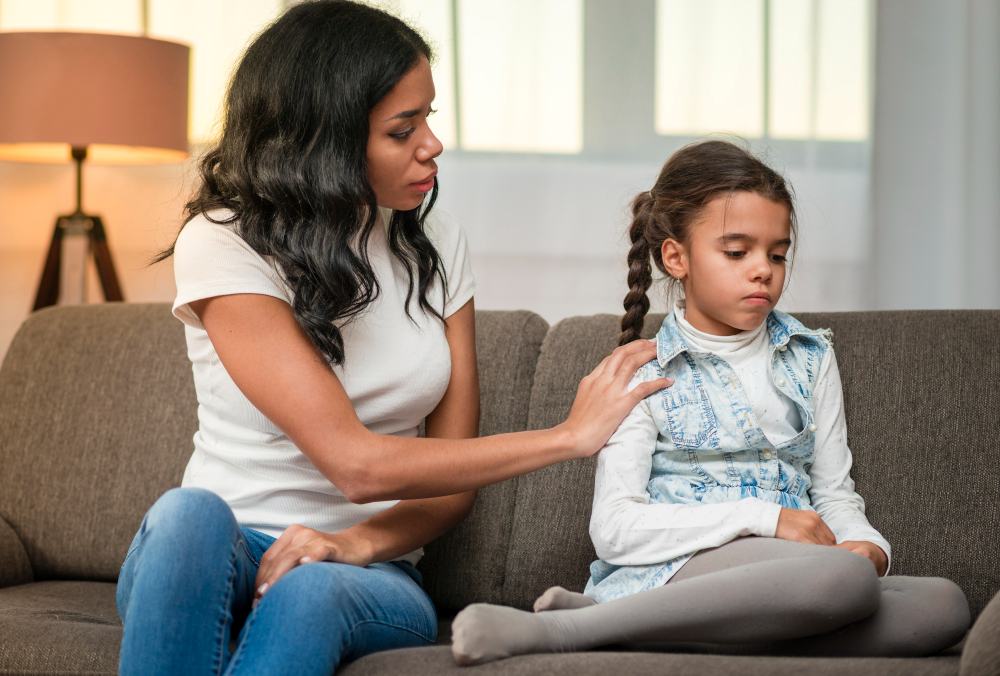
Recognizing anxiety in children is important for every parent and caregiver. Many kids feel worried or scared at times. However, ongoing anxiety can affect a child’s daily life and happiness. Early warning signs of childhood anxiety are often missed. But, spotting them early helps children get the support they need. This parent guide to child anxiety will help you understand what to look for and how to help.
What Is Anxiety in Children?
Anxiety in children means feeling very worried, nervous, or scared. It is more than just being shy or afraid sometimes. For some kids, these feelings do not go away. Instead, they may get worse over time. Because of this, anxiety can make it hard for children to enjoy school, friends, or family time. According to the CDC, anxiety is one of the most common mental health problems in children.
Why Early Recognition Matters
Early recognition of child anxiety symptoms can make a big difference. When parents spot the signs early, children can get help sooner. This support can prevent anxiety from getting worse. Also, early help can improve a child’s confidence and happiness. For example, children who get help early often do better in school and with friends. In addition, early support can lower the risk of other mental health issues later in life.
Early Warning Signs Every Parent Should Know
It is not always easy to know how to spot anxiety in kids. Still, there are some common signs to watch for. These may show up in how your child acts, feels, or even in their body. Here are some early warning signs of childhood anxiety:
When to Seek Professional Help
Sometimes, anxiety can be mild and short-lived. However, you should seek help if:
If you notice these red flags, talk to your child’s doctor or a mental health specialist. Early help can make a big difference.
Supporting Your Child at Home
There are many ways parents can help children with anxiety at home. Here are some practical tips:
Remember, every child is different. What works for one may not work for another. If you need more help, reach out to a mental health professional.
Prevention and Promoting Mental Wellness
While not all anxiety can be prevented, families can build habits that support mental wellness. Try these ideas:
In addition, knowing about local resources can help. Many cities and towns offer support groups or counseling for children and families.
If you notice signs of anxiety in your child, consult a mental health specialist for personalized guidance.