
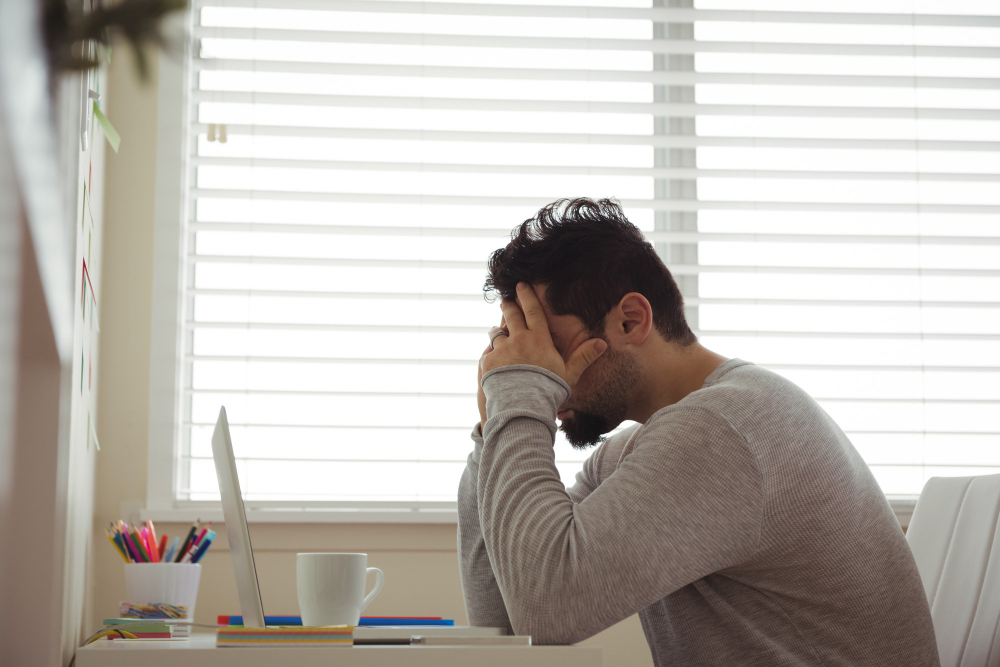
What is Anxiety?
Anxiety is a feeling of worry, fear, or unease. Many people feel anxious sometimes. However, when these feelings last a long time or are very strong, they may signal an anxiety disorder. According to the World Health Organization (WHO), anxiety is one of the most common mental health conditions. For some, anxiety can affect daily life, work, or relationships. But with the right help, most people can manage anxiety well.
Common Symptoms of Anxiety
People with anxiety may notice many symptoms. Sometimes, these signs are mild. Other times, they can be severe. For example, you might feel nervous before a big event. But if you feel anxious most days, it could be a sign of an anxiety disorder. Common symptoms include:
Not everyone has the same symptoms. However, if you notice these signs often, it may be time to talk to a doctor.
Causes and Risk Factors
Many things can cause anxiety. Sometimes, it runs in families. Other times, stress or trauma can trigger it. For instance, losing a loved one or facing a big life change can lead to anxiety. Some risk factors include:
Even though these factors can raise your risk, anyone can develop anxiety. But knowing the causes can help you take steps to manage it.
How Anxiety is Diagnosed
Doctors use several steps to diagnose anxiety. First, they ask about your symptoms and how long you have had them. Next, they may do a physical exam to rule out other health problems. Sometimes, doctors use questionnaires to learn more about your feelings. In some cases, they may refer you to a mental health expert. Early diagnosis can help you get the right treatment sooner.
Treatment Options for Anxiety
There are many ways to treat anxiety. The best treatment depends on your needs. For example, some people feel better with therapy. Others may need medicine. Common treatment options include:
Sometimes, a mix of treatments works best. However, always talk to your doctor before starting any new treatment.
Lifestyle Tips for Managing Anxiety
In addition to medical care, lifestyle changes can help reduce anxiety. For instance, healthy habits can make a big difference. Try these tips:
Although these steps may not cure anxiety, they can make symptoms easier to manage.
Prevention Strategies
While you cannot always prevent anxiety, some steps may lower your risk. For example, managing stress early can help. Here are some prevention tips:
By taking action early, you may prevent anxiety from getting worse.
When to Seek Professional Help
Sometimes, anxiety can feel overwhelming. If your symptoms last for weeks or stop you from living your life, it is time to get help. For example, if you cannot work, study, or enjoy time with loved ones, reach out to a mental health professional. Early support can make recovery easier. Remember, you are not alone, and help is available.
If you or someone you know is struggling with anxiety, consult a mental health professional for personalized advice on managing anxiety.