What Is PTSD?
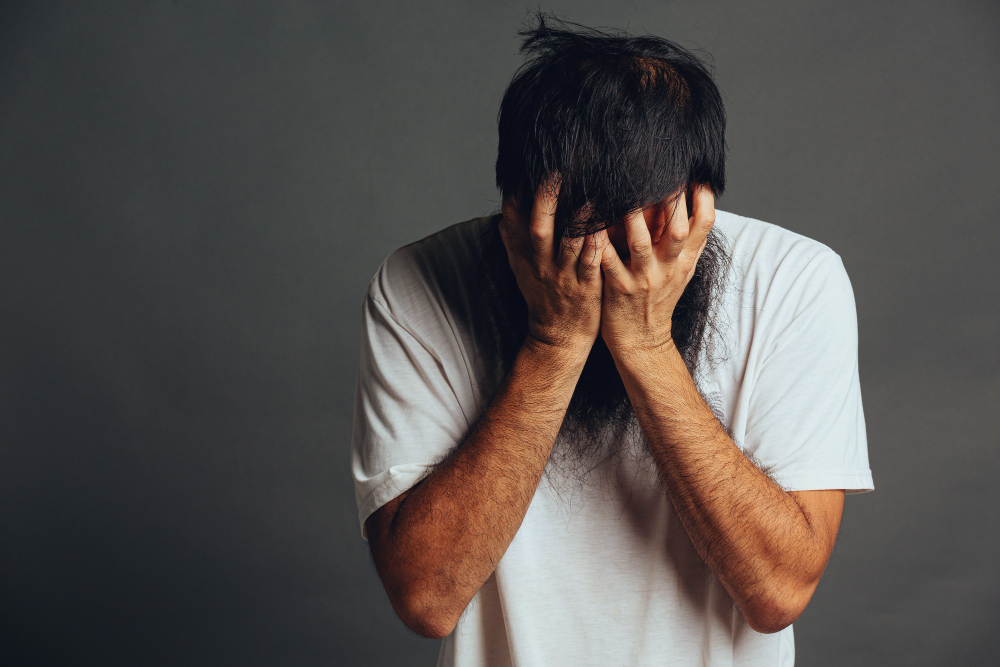
PTSD, or Post-Traumatic Stress Disorder, is a mental health condition. It can develop after a person experiences or witnesses a traumatic event. For example, this may include accidents, natural disasters, violence, or war. While many people recover after trauma, some continue to feel stressed or afraid long after the event. This ongoing distress is what doctors call PTSD.
Common Symptoms of PTSD
PTSD symptoms can affect your daily life. They often appear within a few months after the trauma. However, sometimes they may not show up until years later. Importantly, symptoms can vary from person to person. But, most people with PTSD experience some of the following:
Sometimes, these symptoms can make it hard to work, study, or enjoy life. Yet, with the right help, many people see improvement.
Main Causes and Risk Factors
Anyone can develop PTSD, but certain factors may increase the risk. For instance, the type and severity of the trauma play a big role. However, not everyone exposed to trauma will get PTSD. Some common causes and risk factors include:
Additionally, people with high stress or past trauma may be more likely to develop PTSD. But, support from family and friends can help lower the risk.
How Is PTSD Diagnosed?
Doctors diagnose PTSD by talking with you about your symptoms and experiences. Usually, they use special questions to check for PTSD symptoms. For a diagnosis, symptoms must last for more than one month and cause problems in daily life. Sometimes, doctors may also rule out other health conditions. If you think you have PTSD, it is important to seek help from a mental health professional. Early diagnosis can lead to better outcomes.
Evidence-Based Treatment Options
There are several proven treatments for PTSD. With the right care, many people feel better over time. Some common PTSD treatment options include:
Often, a mix of therapy and medication works best. However, each person is different, so treatment plans should be tailored to individual needs. According to the CDC and WHO, early treatment improves recovery.
Lifestyle Tips for Managing PTSD
Besides medical treatment, healthy habits can support your recovery. For example, you can try these tips:
Remember, small steps can make a big difference. Over time, these habits can help you feel more in control.
Prevention and When to Seek Help
While it is not always possible to prevent PTSD, getting support soon after a trauma can help. For instance, talking to someone you trust or a counselor may reduce stress. If you notice PTSD symptoms lasting more than a few weeks, it is time to seek help. You should also reach out if symptoms get worse or affect your daily life. Early help can lead to better recovery and less distress.
Conclusion
PTSD is a serious but treatable condition. With the right support and care, many people recover and lead fulfilling lives. If you or someone you know is struggling with PTSD, do not wait. Consult a mental health professional for personalized advice on PTSD.