
Introduction
Many people ask if meditation for OCD can help manage symptoms. Obsessive-compulsive disorder (OCD) affects millions worldwide. Because OCD can cause distress, finding safe and helpful self-care tips is important. Meditation is a popular practice for mental health. But can meditation help OCD symptoms? This blog answers common questions and shares what research says about meditation benefits for OCD.
What is OCD?
OCD stands for obsessive-compulsive disorder. It is a mental health condition. People with OCD have unwanted thoughts, called obsessions. They may also feel the need to do certain actions, called compulsions, over and over. For example, someone might wash their hands many times or check locks repeatedly. These actions can take up a lot of time and cause stress. OCD can affect anyone, but it often starts in childhood or young adulthood.
What is Meditation?
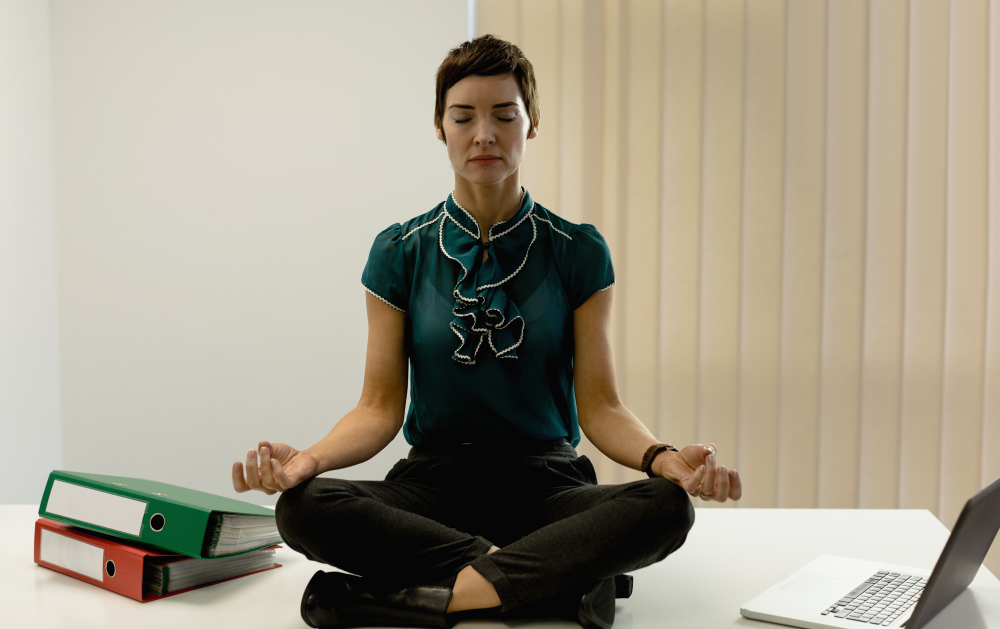
Meditation is a simple practice that helps calm the mind. It often involves sitting quietly and focusing on your breath or a word. Some types of meditation, like mindfulness, teach you to notice your thoughts without judging them. Many people use meditation to reduce stress, improve focus, and feel more relaxed. You do not need special equipment to start meditating. Anyone can try it at home or with a group.
How Might Meditation Help OCD Patients?
For people with OCD, meditation may offer several benefits. First, it can help reduce stress and anxiety. Because OCD often makes people feel tense, this can be helpful. Second, mindfulness for obsessive-compulsive disorder teaches people to notice their thoughts without reacting right away. This may help break the cycle of obsessions and compulsions. In addition, meditation can improve sleep and boost mood. Some people find that regular practice makes their symptoms feel less overwhelming.
What Does Research Say About Meditation and OCD?
Several studies have looked at meditation benefits for OCD. For example, research in peer-reviewed journals shows that mindfulness-based therapy can lower OCD symptoms. The World Health Organization (WHO) and the Centers for Disease Control and Prevention (CDC) both support mindfulness as a helpful tool for mental health. One study found that people who practiced mindfulness for OCD had fewer obsessive thoughts and felt less anxious. However, meditation is not a cure. It works best when used with other treatments, like therapy or medicine.
Are There Any Risks or Limitations?
While meditation is safe for most people, it may not work for everyone. Some people with severe OCD may find it hard to sit still or focus. Others might feel more anxious at first. If meditation makes your symptoms worse, stop and talk to a mental health professional. Meditation should not replace medical care or therapy. Instead, it can be a helpful part of your OCD self-care tips.
How to Start Meditation for OCD?
Starting meditation for OCD is simple. You do not need special tools. Here are easy steps to begin:
Frequently Asked Questions
When to Consult a Mental Health Professional
If OCD symptoms are severe or do not improve, seek help from a mental health specialist. Sometimes, meditation alone is not enough. A professional can suggest the best treatment plan for you. Remember, early support can make a big difference.
For personalized advice on OCD and meditation, consult a mental health specialist.