
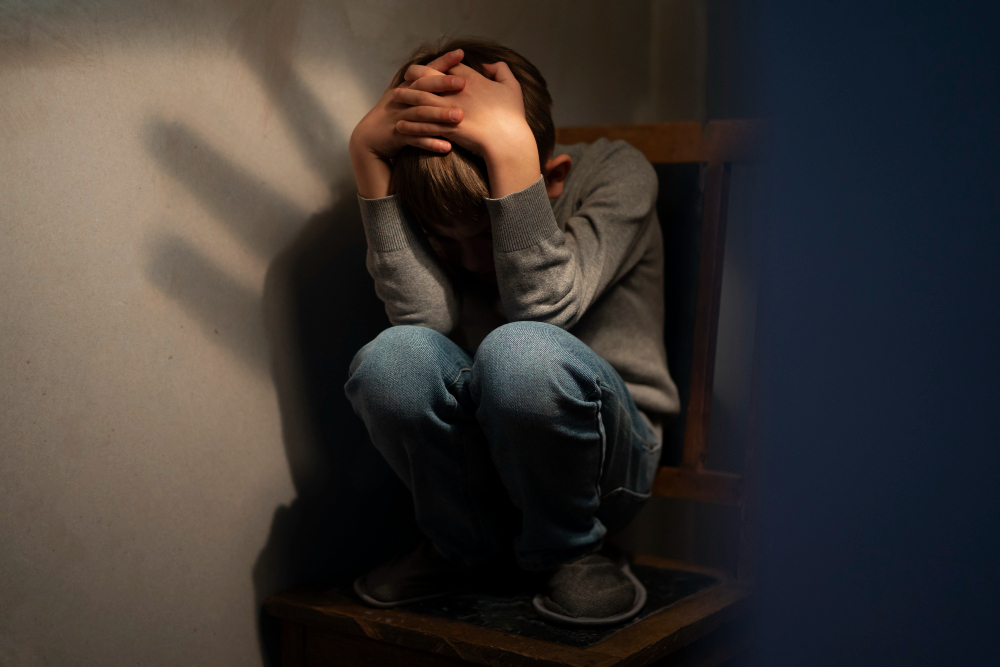
What Are Phobias?
Phobias are strong fears of certain things or situations. These fears are much greater than normal worries. For example, someone may fear heights, spiders, or flying. Because phobias are intense, they can affect daily life. According to the World Health Organization (WHO), phobias are a common mental health issue. But the good news is, phobias can be treated.
Common Symptoms of Phobias
People with phobias often feel anxious when facing their fear. Sometimes, even thinking about the feared object can cause symptoms. For instance, you might notice:
In many cases, these symptoms can be mild. However, for some people, they can be very strong and hard to control.
Causes and Risk Factors
Phobias can develop for many reasons. Sometimes, a scary event in childhood can lead to a phobia. Other times, people may learn to fear something by watching others. In addition, family history can play a role. If a close relative has a phobia, you may be more likely to have one too. Stressful life events can also increase the risk.
Diagnosis of Phobias
Doctors or mental health professionals diagnose phobias by asking about your fears and symptoms. They may use simple questions to learn how your fear affects your life. In some cases, they may check for other mental health conditions. Early diagnosis helps you get the right treatment sooner.
Effective Treatment Options for Phobias
There are several proven ways to treat phobias. Because everyone is different, treatment plans may vary. Here are the most common options:
According to the Centers for Disease Control and Prevention (CDC), combining therapy and self-help often gives the best results.
Lifestyle Tips and Coping Strategies
Along with treatment, healthy habits can make a big difference. For instance, you can:
Moreover, using relaxation techniques like meditation or yoga can help you stay calm. Remember, small steps can lead to big changes over time.
Prevention and When to Seek Help
While it is not always possible to prevent phobias, early support can help. If you notice strong fears that affect your life, talk to a doctor or mental health professional. In addition, seek help if you avoid important activities because of your fear. Early treatment can stop phobias from getting worse.
Conclusion
Phobias are common, but they do not have to control your life. With the right treatment options, you can learn how to overcome phobias and enjoy daily activities again. If you or someone you know struggles with a phobia, consult a mental health professional for personalized advice on managing phobias.