What is Childhood Depression?
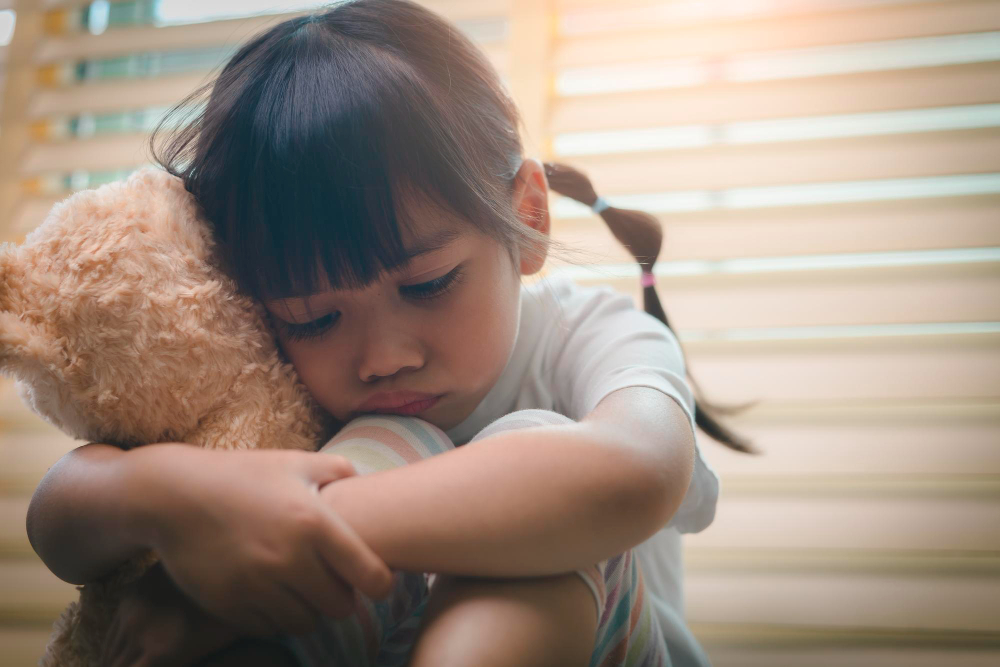
Childhood depression is a serious mental health condition that affects children and teens. Unlike normal sadness, depression lasts longer and can impact daily life. Early recognition is important because, with the right help, most children can recover. According to the CDC, about 3% of children in the United States have depression. While it may look different from adult depression, it is just as real and treatable.
Symptoms of Childhood Depression
Recognizing the signs of depression in children can be challenging. Sometimes, children may not say they feel sad. Instead, they might show changes in behavior or mood. For example, you may notice:
However, not all children will have every symptom. If you notice several of these signs lasting more than two weeks, it may be time to seek help.
Causes and Risk Factors
There is no single cause of childhood depression. Instead, several factors can increase a child’s risk. For instance, these may include:
Additionally, changes in brain chemistry and hormones can play a role. While some children may have a higher risk, depression can affect any child.
Diagnosis and When to Seek Help
Early diagnosis is key to effective treatment. If you notice signs of depression in your child, talk to your doctor. A mental health specialist can assess your child using interviews and questionnaires. They may also ask about your child’s mood, behavior, and family history. Sometimes, physical exams or lab tests help rule out other causes. Importantly, do not wait if your child talks about self-harm or suicide. Seek help right away.
Treatment Options
There are several treatment options for childhood depression. The best plan depends on your child’s needs. Common treatments include:
Often, a combination of these approaches works best. Regular follow-up is important to track progress and adjust treatment as needed.
Supporting a Child with Depression
Supporting a child with depression can make a big difference. Here are some ways you can help:
Above all, let your child know they are not alone. With support, most children can recover from depression.
Prevention and Early Intervention
While not all cases can be prevented, early intervention can reduce the impact of childhood depression. For example, you can:
Additionally, seeking help early can prevent depression from getting worse. Regular check-ins with your child can help catch problems sooner.
Conclusion and Next Steps
Childhood depression is a serious but treatable condition. With early recognition and the right support, most children can feel better and thrive. If you notice signs of depression in your child, consult a mental health specialist for personalized guidance.