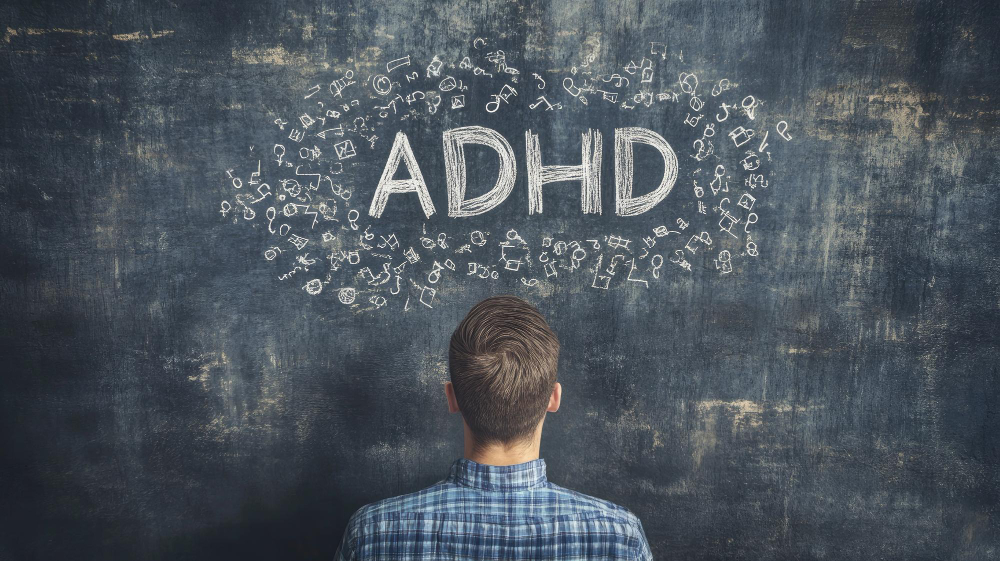
What is ADHD?
ADHD stands for Attention Deficit Hyperactivity Disorder. It is a common brain condition that affects both children and adults. People with ADHD may have trouble paying attention, staying still, or controlling their actions. Because ADHD can impact school, work, and daily life, it is important to understand its signs and how to manage it. According to the CDC, ADHD affects millions of people worldwide.
Common Symptoms of ADHD
ADHD symptoms can look different in each person. However, most people with ADHD show signs in three main areas: inattention, hyperactivity, and impulsivity. For example, children and adults may:
In adults, ADHD symptoms may include trouble managing time, missing deadlines, or feeling disorganized. Because these signs can be mild or severe, it is important to watch for changes in daily life.
Causes and Risk Factors
Doctors do not know the exact cause of ADHD. However, research shows that several factors may play a role. For instance, genetics can increase the risk. If a parent has ADHD, their child is more likely to have it too. In addition, problems during pregnancy, such as smoking or drinking alcohol, may raise the risk. Early exposure to toxins, like lead, can also affect brain development. While these factors may increase risk, not everyone with them will develop ADHD.
How ADHD is Diagnosed
Many people wonder, “How is ADHD diagnosed?” Doctors use several steps to make a diagnosis. First, they ask about symptoms and how long they have lasted. Next, they may talk to teachers, family members, or caregivers. Doctors also use checklists or rating scales to measure symptoms. Sometimes, they rule out other health problems that can look like ADHD. Because there is no single test for ADHD, a full review is needed. The CDC and WHO both recommend a careful and complete evaluation.
Treatment Options for ADHD
There are many ADHD treatment options. Most people benefit from a mix of treatments. For example, doctors may suggest:
Because each person is different, treatment plans should be tailored to their needs. Always talk to a healthcare provider before starting any treatment.
Lifestyle Tips for Managing ADHD in Daily Life
Managing ADHD in daily life can be easier with some simple changes. Here are some helpful tips:
Although these tips may not cure ADHD, they can make daily life smoother. Over time, small changes can lead to big improvements.
Prevention and Early Intervention
Currently, there is no sure way to prevent ADHD. However, early intervention can help reduce its impact. For example, pregnant women should avoid smoking, drinking alcohol, and exposure to harmful substances. If you notice signs of ADHD in your child, seek help early. Early support can improve learning and behavior. Because early action matters, do not wait to talk to a doctor if you have concerns.
Conclusion
ADHD can affect people of all ages, but with the right support, many can thrive. If you or someone you know shows signs of ADHD, consult a healthcare professional for personalized advice.