Introduction
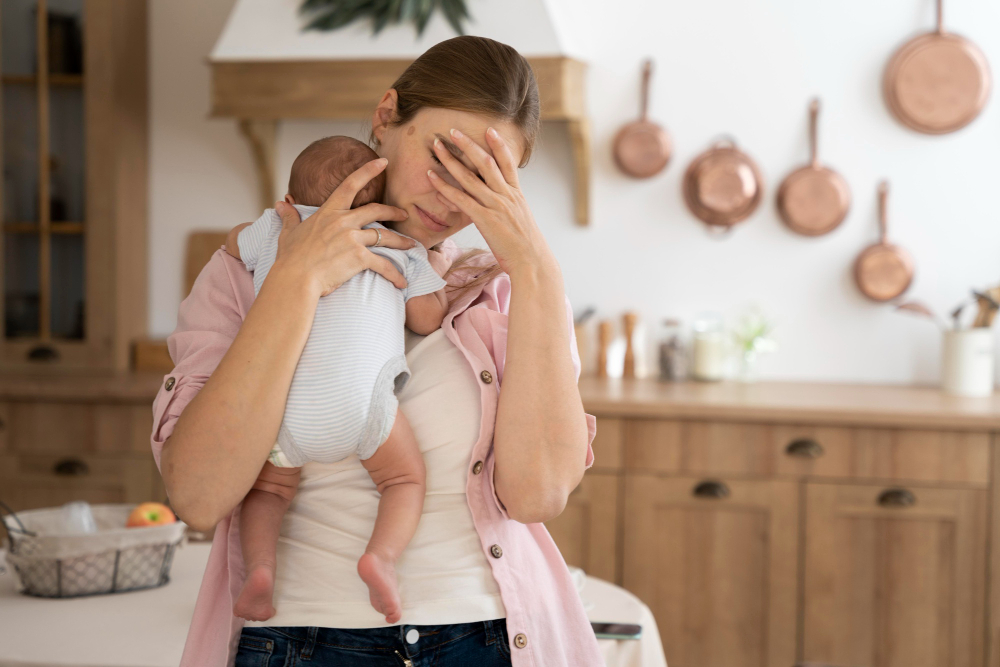
Postpartum depression is a type of mood disorder that affects some women after childbirth. It is more than just feeling sad or tired. In fact, it can impact a mother’s ability to care for herself and her baby. According to the CDC, about 1 in 8 women experience postpartum depression. Because it can affect the whole family, understanding postpartum depression is important for everyone. Early support and treatment can help mothers recover and enjoy life with their new baby.
Symptoms
Recognizing postpartum depression symptoms is the first step to getting help. While some mood changes are normal after birth, certain signs may point to a deeper problem. For example, symptoms often appear within the first few weeks after delivery, but they can start later as well. Common signs include:
However, not every mother will have all these symptoms. If these feelings last more than two weeks or get worse, it is important to seek help.
Causes and Risk Factors
There is no single cause of postpartum depression. Instead, several factors can play a role. For instance, changes in hormones after childbirth can affect mood. But other things matter too. Here are some common causes and risk factors:
Additionally, mothers who had depression during pregnancy or who have a baby with health problems may be at higher risk. Knowing these risk factors can help families watch for early signs.
Diagnosis
Doctors use several steps to diagnose postpartum depression. First, they ask about mood, sleep, and daily life. They may use simple questionnaires to check for symptoms. Sometimes, blood tests are done to rule out other health problems. Importantly, a doctor will look for symptoms that last more than two weeks and affect daily life. If postpartum depression is suspected, the doctor may refer the mother to a mental health professional. Early diagnosis helps mothers get the right postpartum mental health support.
Treatment Options
There are many ways to treat postpartum depression. The best plan depends on the mother’s needs and the severity of symptoms. Treatment options include:
Because every mother is different, treatment should be tailored to her needs. According to the WHO, early treatment leads to better outcomes for both mother and baby.
Prevention and Self-Care Tips
While not all cases can be prevented, some steps may lower the risk of postpartum depression. Here are practical tips for new mothers and families:
Moreover, partners and family members should watch for signs of depression and offer support. Early action can make a big difference.
When to Seek Help
Sometimes, postpartum depression symptoms can become severe. If a mother has thoughts of harming herself or her baby, seek help right away. Other red flags include:
If any of these signs appear, contact a doctor or mental health specialist. Early support can help mothers recover faster and protect their well-being.
If you or someone you know is experiencing symptoms of postpartum depression, consult a mental health specialist for personalized support and guidance.