
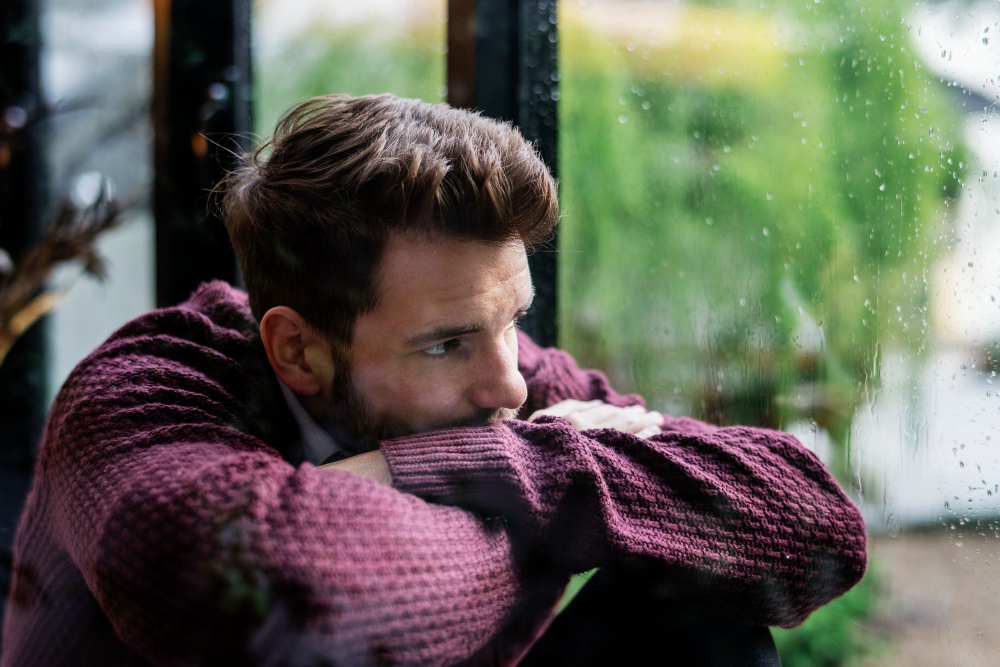
Introduction: What Are Cold Season Blues?
Many people feel down during winter. This feeling is often called “cold season blues.” It is also known as winter depression or seasonal sadness. You may notice your mood drop as days get shorter and colder. For some, these feelings can affect daily life. However, you can beat cold season blues with the right support and advice. Understanding these changes is the first step to a happier winter.
Symptoms and Signs
Cold season blues can show up in many ways. Not everyone feels the same symptoms. Still, some signs are common. For example, you may notice:
Sometimes, these symptoms are mild. But for others, they can be strong and last for weeks.
Causes and Risk Factors
There are several reasons why cold season blues happen. First, less sunlight in winter can affect your body’s clock. This change may lower your mood. Also, cold weather can keep you indoors, which limits social time and exercise. Some people are more at risk than others. For instance, you may be at higher risk if:
Knowing your risk can help you take steps early.
Psychiatric Perspective on Mood Changes During Cold Seasons
Psychiatrists see cold season blues as a real mood change. The medical term is Seasonal Affective Disorder (SAD). According to the American Psychiatric Association, SAD is a type of depression linked to seasons. It often starts in late fall and ends in spring. Changes in sunlight can affect brain chemicals like serotonin and melatonin. These chemicals help control mood and sleep. As a result, your mood may drop during winter. But with the right care, most people can feel better.
Diagnosis and When to Seek Help
Sometimes, it is hard to tell if you have cold season blues or something else. Doctors use your symptoms and history to make a diagnosis. They may ask about your mood, sleep, and daily life. If your symptoms last more than two weeks or affect your life, it is time to seek help. Early support can prevent symptoms from getting worse. Always reach out if you have thoughts of self-harm or feel hopeless.
Evidence-Based Treatment Options
There are several ways to treat cold season blues. Doctors use proven methods to help you feel better. These include:
According to the CDC and psychiatric journals, these treatments are safe and effective for most people.
Practical Lifestyle Tips for Prevention and Mood Support
There are many ways to improve mood in winter. Try these winter depression tips to support your mental health:
Even small changes can make a big difference. If you live in a city with long winters, these steps are even more important.
When to Consult a Mental Health Professional
Sometimes, self-care is not enough. If your mood stays low or you cannot manage daily tasks, it is time to get help. Also, seek support if you have thoughts of harming yourself or others. Mental health specialists can offer expert advice and treatment. Early help can lead to a faster recovery. Do not wait—your well-being matters.
Consult a mental health specialist for personalized support during the cold season.